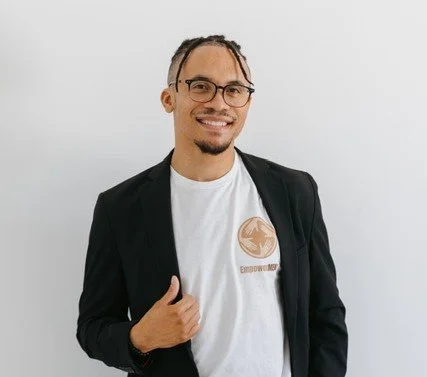
Same Race Doesn't Mean Same Story
This reflection by Dr. Adam Anthony, challenges the assumption that a same-race adoptive placement automatically resolves questions of identity and belonging. Through his lived experience as a Black adoptee, the author explores the difference between fitting in and truly feeling seen—and invites foster care and adoption systems to keep asking the deeper questions that help young people understand who they are and where they belong.
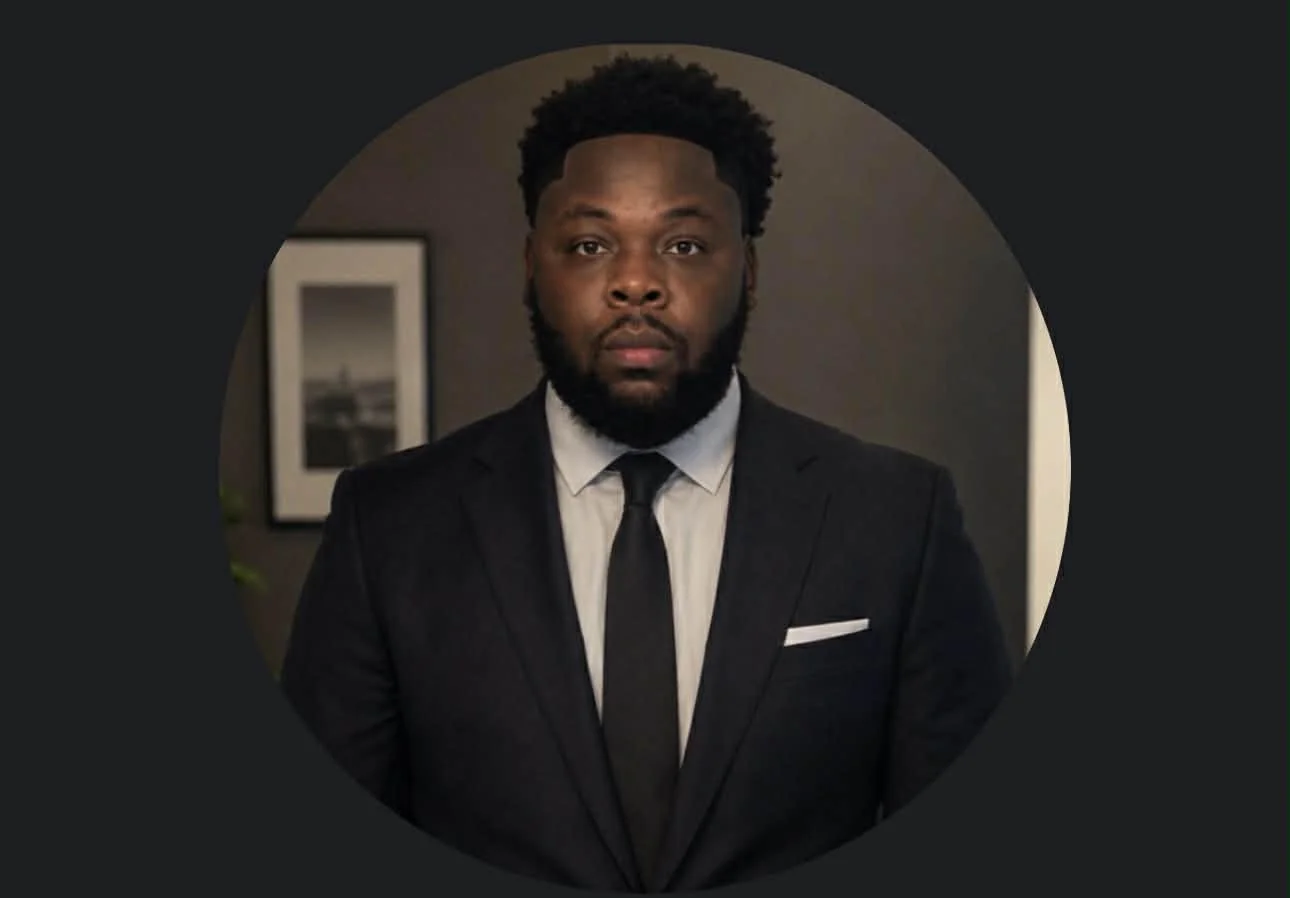
The Purpose I Found
After surviving 86 foster homes and years of abuse, neglect, and instability, one advocate shares how finding a community of people with similar lived experience transformed pain into purpose. This reflection by Kenneth M. explores the power of belonging, advocacy, and using lived experience to create a better future for children in foster care.
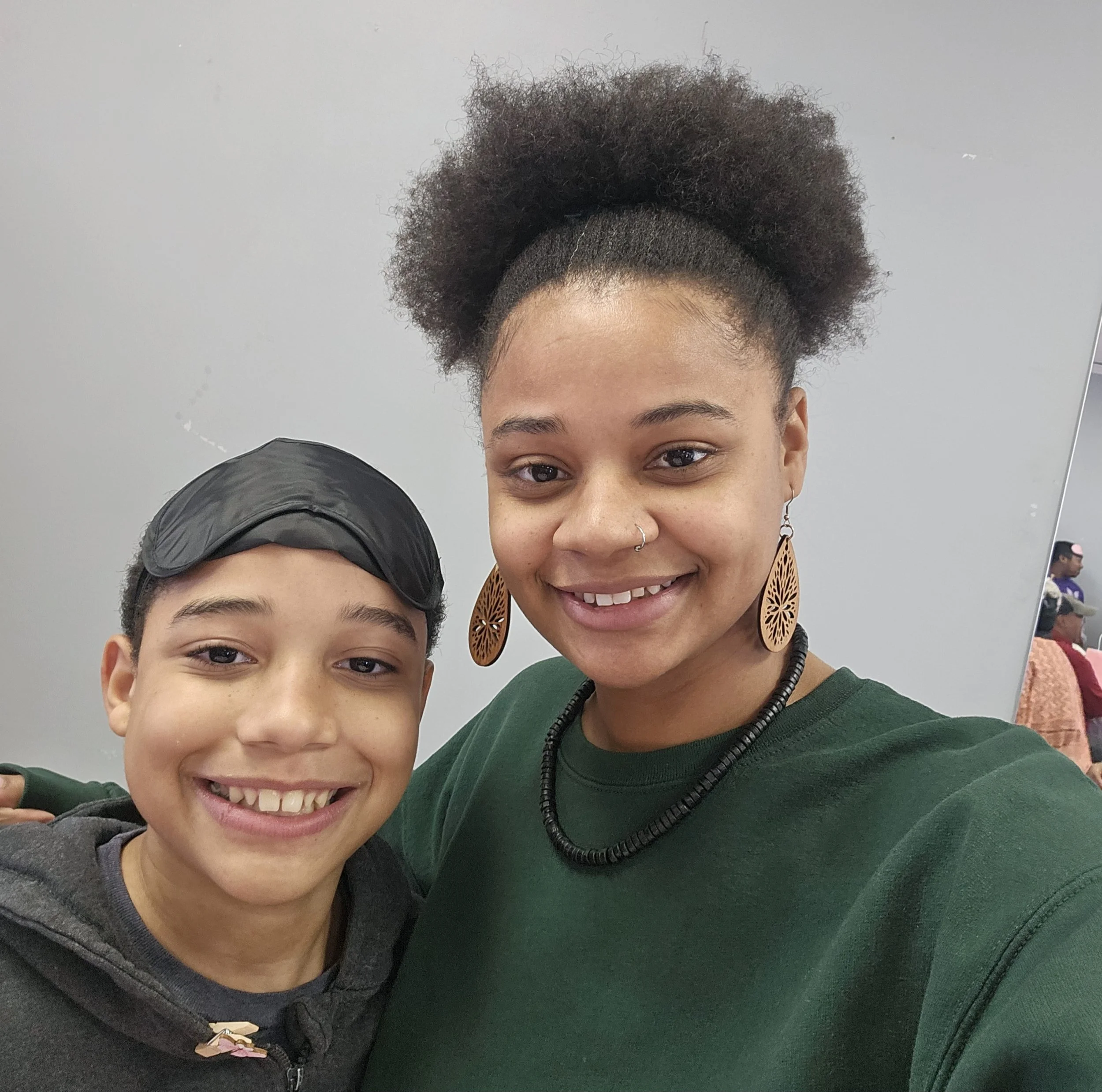
The People Were Always Bigger Than The Box
This month, I write simply as a mother.
Navigating mental health evaluations and disability paperwork for her son prompted a deeper reflection on how systems attempt to understand people through standardized forms and checkboxes. While structure and consistency are necessary, this piece explores how evaluation tools can unintentionally create barriers when they fail to capture the complexity of lived experience. It invites readers to consider how better system design creates space not only for data, but for context, humanity, and the stories that no form was ever designed to tell.

Nothing About Me, Without Me
This reflection shares one advocate’s journey from foster youth to statewide leader, highlighting the early youth advocacy movements that helped shape authentic youth engagement practices still used today. Through leadership, mentorship, and lived experience, Alumni and Advocate, Laquita J, reflects on the importance of ensuring youth voices are heard, respected, and meaningfully included in systems change efforts.
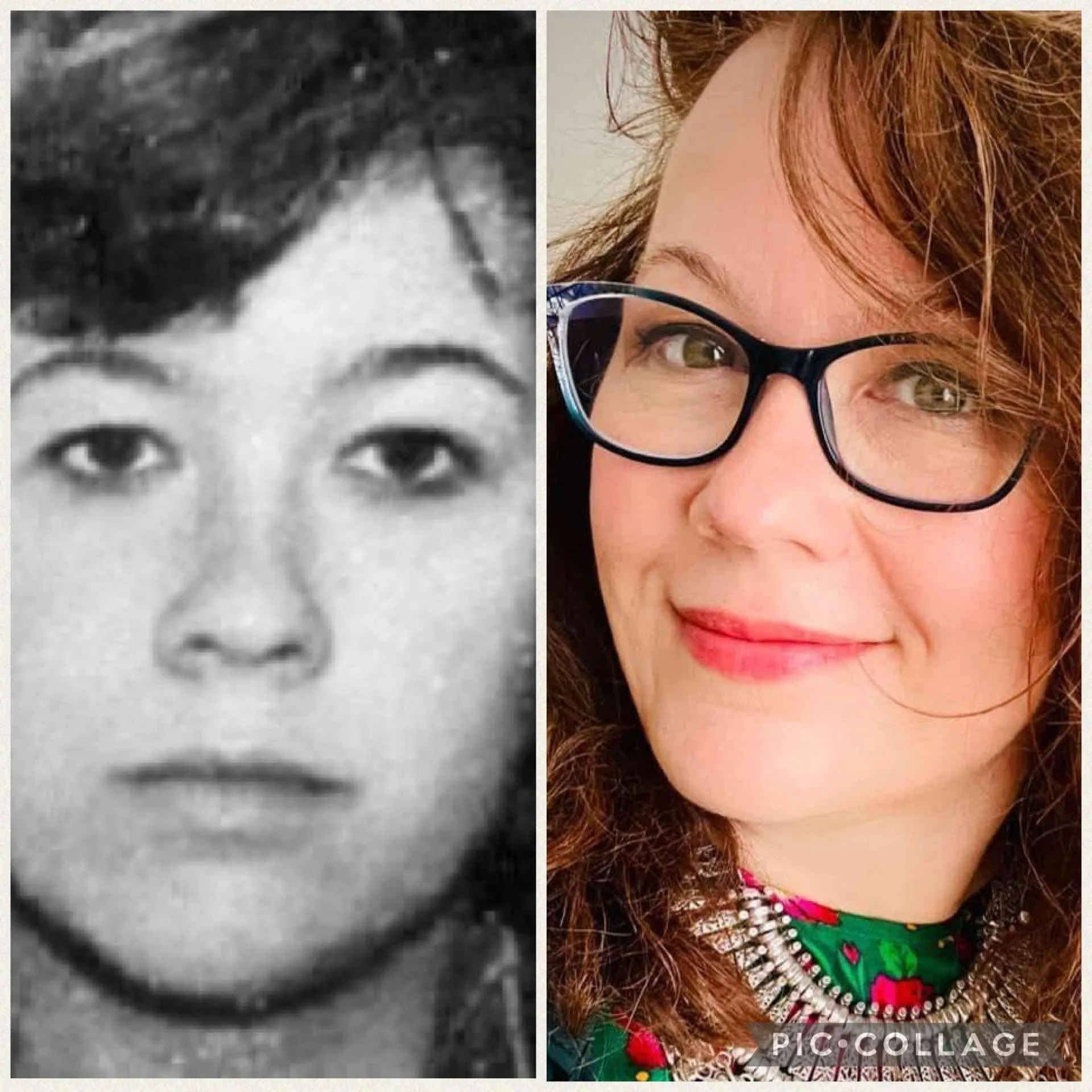
Once a Foster Kid, Always a Foster Kid?
This powerful reflection from California Alumni, Klaudia K., explores the lifelong emotional impact of abandonment, foster care instability, and the absence of relational support. Through experiences of loss, homelessness, immigration, and surviving the Los Angeles wildfires, the she reflects on what it means to grow up feeling unwanted—and how healing, community, and connection can slowly rebuild a sense of belonging and worth.
When Safety and Experience Don’t Fully Align
This Foster Care Awareness Month reflection explores the gap that can exist between protective intent and lived experience within foster care systems. While many professionals enter this work with genuine care and commitment, outcomes continue to show that safety, healing, stability, and belonging are not always fully achieved. This piece invites systems, organizations, and communities to move beyond good intentions alone by listening more deeply to youth experiences, strengthening relational and emotional safety, and allowing systems to evolve alongside the complexity of the young people they serve.
From Orphan to Advocate
This reflection shares a powerful journey from instability and survival to leadership and advocacy. After experiencing foster care, homelessness, educational disruption, and involvement with the juvenile justice system, this youth leader, Tatyana R, began rebuilding their life through education, mentorship, and community support. Their experiences highlight the lasting impact of instability, high system turnover, and disconnection within foster care, while also demonstrating the transformative power of opportunity, representation, and youth inclusion in leadership spaces. Today, their story serves as a reminder that when young people are genuinely supported and believed in, they can move beyond survival and become advocates, leaders, and changemakers within their communities.

Beyond Survival
This reflection from Advocate and Alumni, Jake H. highlights how lived experience leadership, supportive relationships, and authentic community can transform the advocacy journey. What once felt like survival and uncertainty evolved into confidence, belonging, and purpose—demonstrating that healing often happens through consistent connection, shared understanding, and spaces where young people feel safe enough to exist fully as themselves.
Child Abuse Prevention Requires More Than Reporting
This insight explores how true child abuse prevention requires more than mandated reporting—it requires systems intentionally designed around safety, trust, responsiveness, and youth voice. By strengthening trauma-informed practices, creating meaningful feedback loops, and embedding youth governance into organizational decision-making, schools, child welfare agencies, and youth-serving organizations can move from reactive intervention toward more effective, relationship-centered prevention and support.
A Community That Builds Agency
For this Adult Supporter and Alumni [this advocacy community] became more than a program—it became a space where support, advocacy, and opportunity came together. From mentorship and college support to statewide policy discussions, these experiences helped reinforce a powerful message: youth voices matter, and those voices can shape real change.
Make it Worth it, By Making it Different
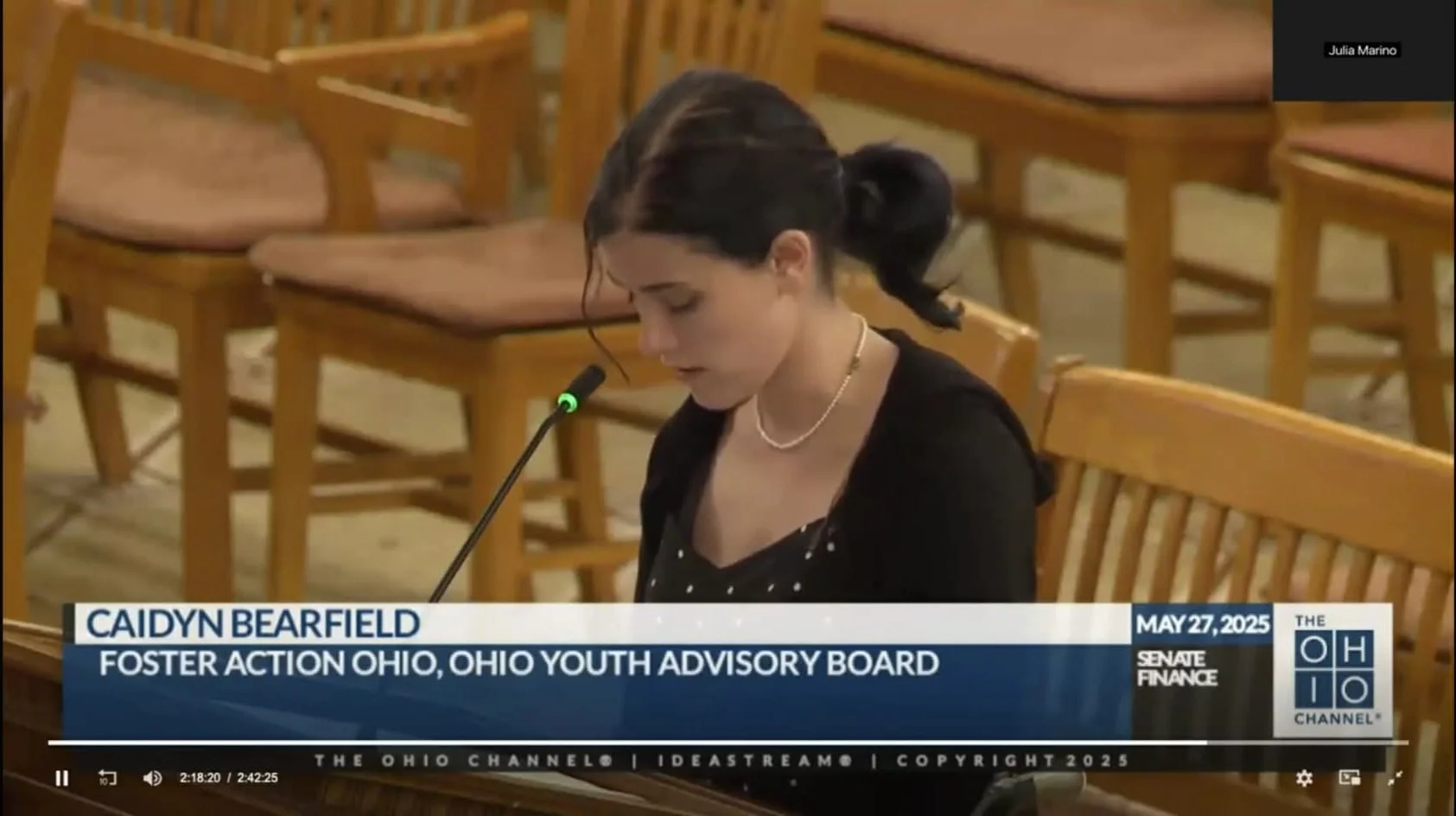
After experiencing gaps within the child welfare system firsthand, youth leader Caidyn B., turned her story into advocacy. What began as silence and uncertainty evolved into public testimony, policy influence, and ongoing systems engagement. Her experience highlights a critical truth—many system challenges remain invisible without lived experience. When youth are given the opportunity to lead, they not only help improve systems, but also transform their own sense of purpose, identity, and voice.
Why This Work Needs Protectors
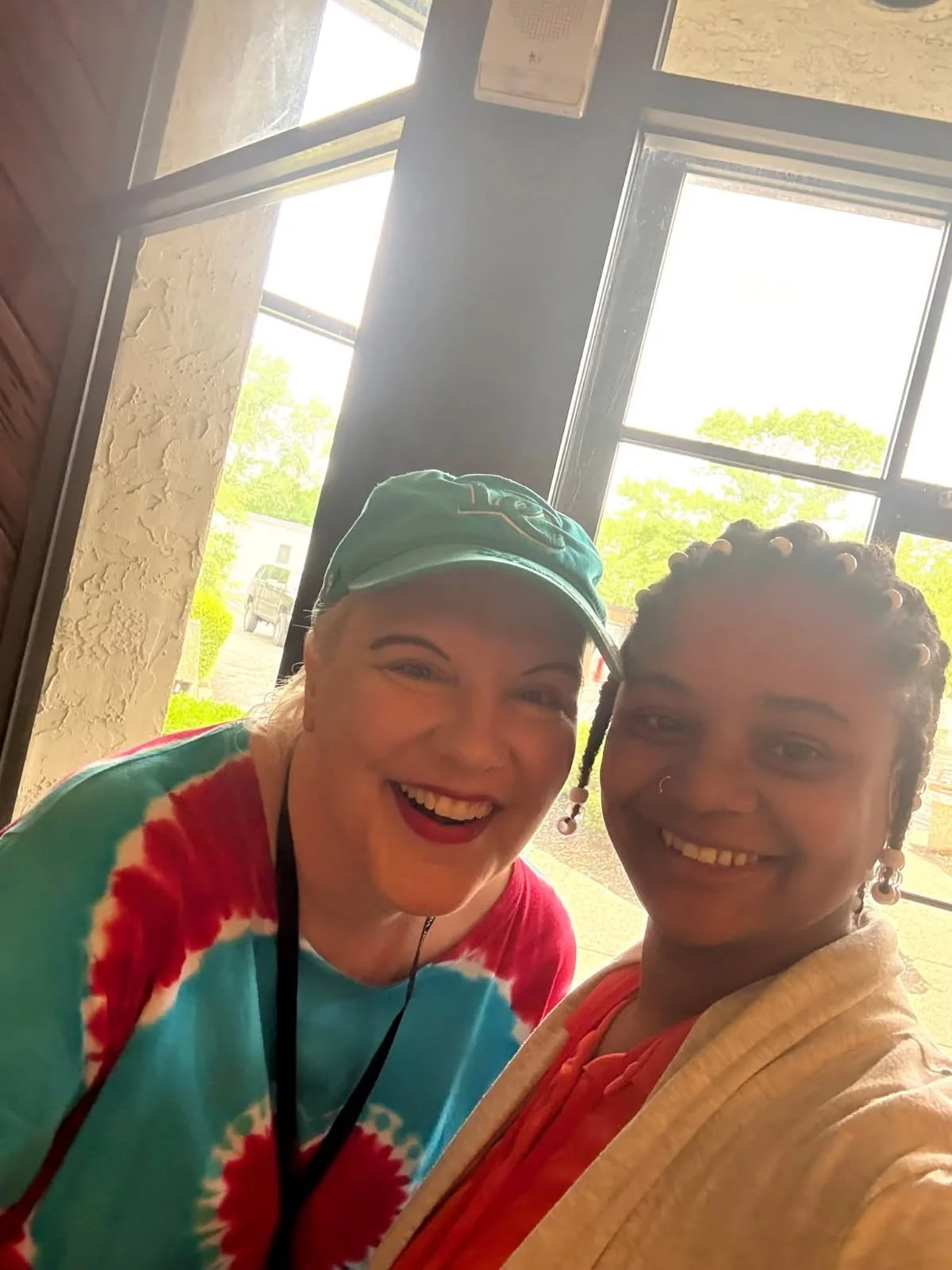
This spotlight honors Lisa Dickson, a foster youth alumni and a longtime foster youth advocate whose 20+ years of volunteer work reflect integrity, independence, and true commitment to young people. Her decision to advocate and facilitate without pay or political influence highlights why youth-led work needs protection, structure, and sustainability. Stories like hers are why Virtue Visionary exists—to protect the work and the people who are doing it right.
Small Changes, Real Impact
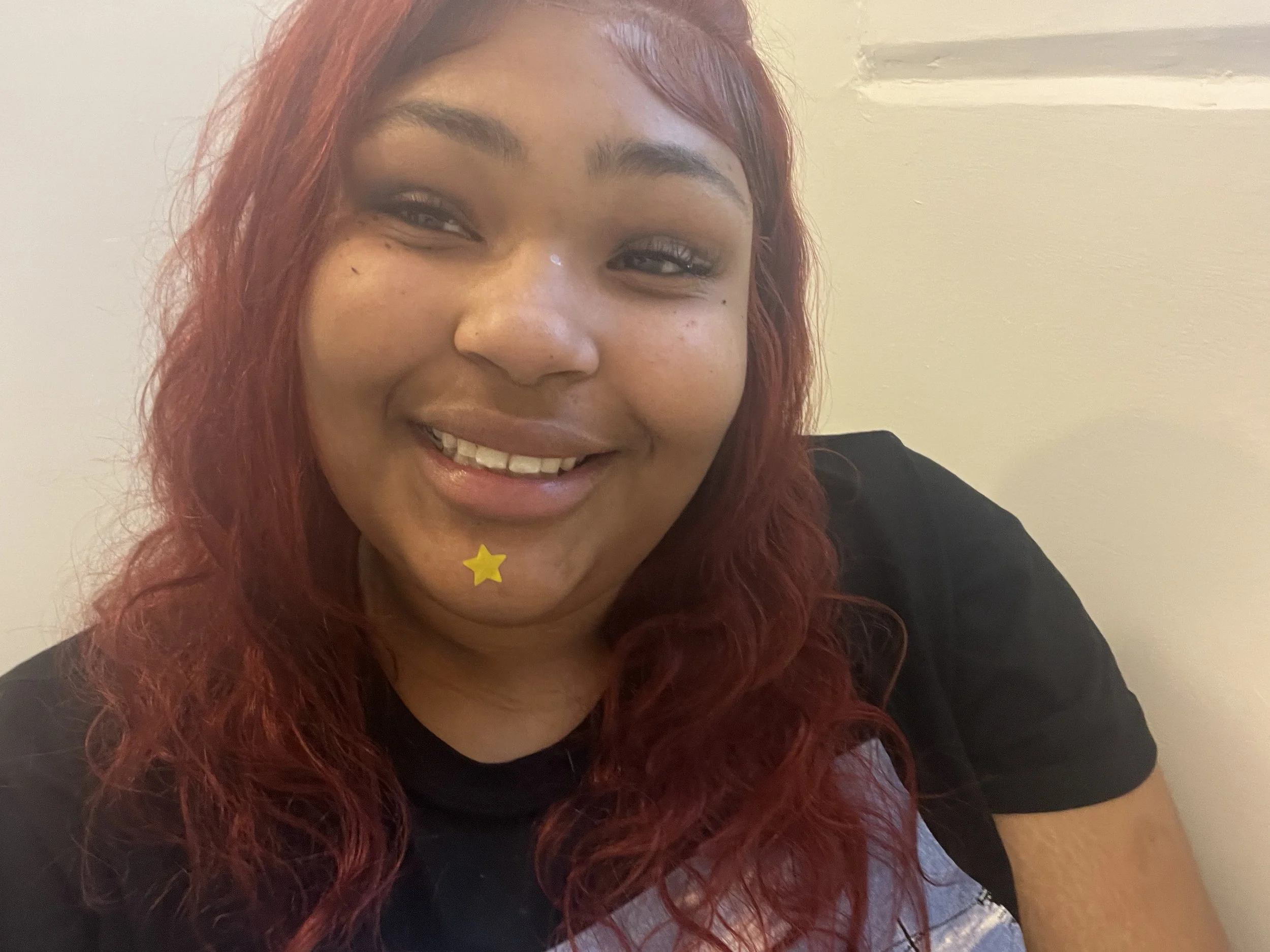
This reflection comes from youth leader, Arriyanna W. She highlights how youth-led efforts don’t have to be large to be meaningful. From raising awareness to influencing policy and training professionals, this experience shows how consistent, collective youth action creates real impact, while also shaping personal growth and leadership.

When Youth Are Heard, They Rise
Participation in the [this advocacy community] gave this youth leader, Dee M. something many youth in systems rarely experience—belonging, support, and a real opportunity to lead. Surrounded by peers who shared similar experiences, they discovered their own strength, their ability to stay on a positive path, and the power young people have to create change when their voices are truly valued.
When Good Intent Isn’t Enough: Why Youth Serving Systems Still Fall Short
Good intent and passionate people are not the problem. Design is. Youth- and family-serving systems often fail not because they lack care, but because they are built for compliance and efficiency rather than complexity and context. When systems cannot adapt to real lives, even well-meaning policies fracture in practice. Centering lived experience in decision-making is not symbolic—it is essential to building systems that can learn, adapt, and do less harm.
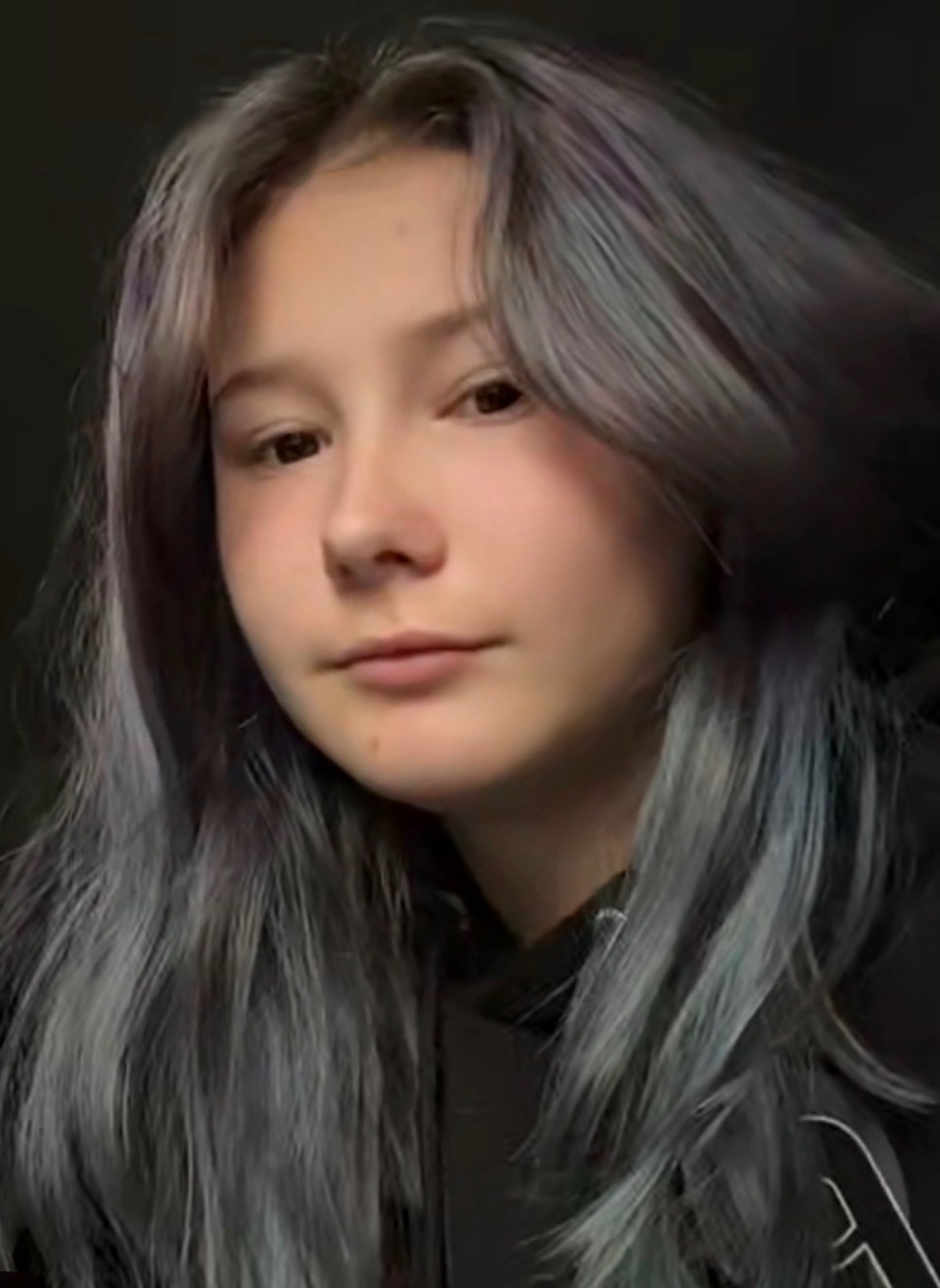
My Voice, My Future
Youth leader, Saphire H. reflects on advocacy, confidence, and realizing one’s ability to create change.
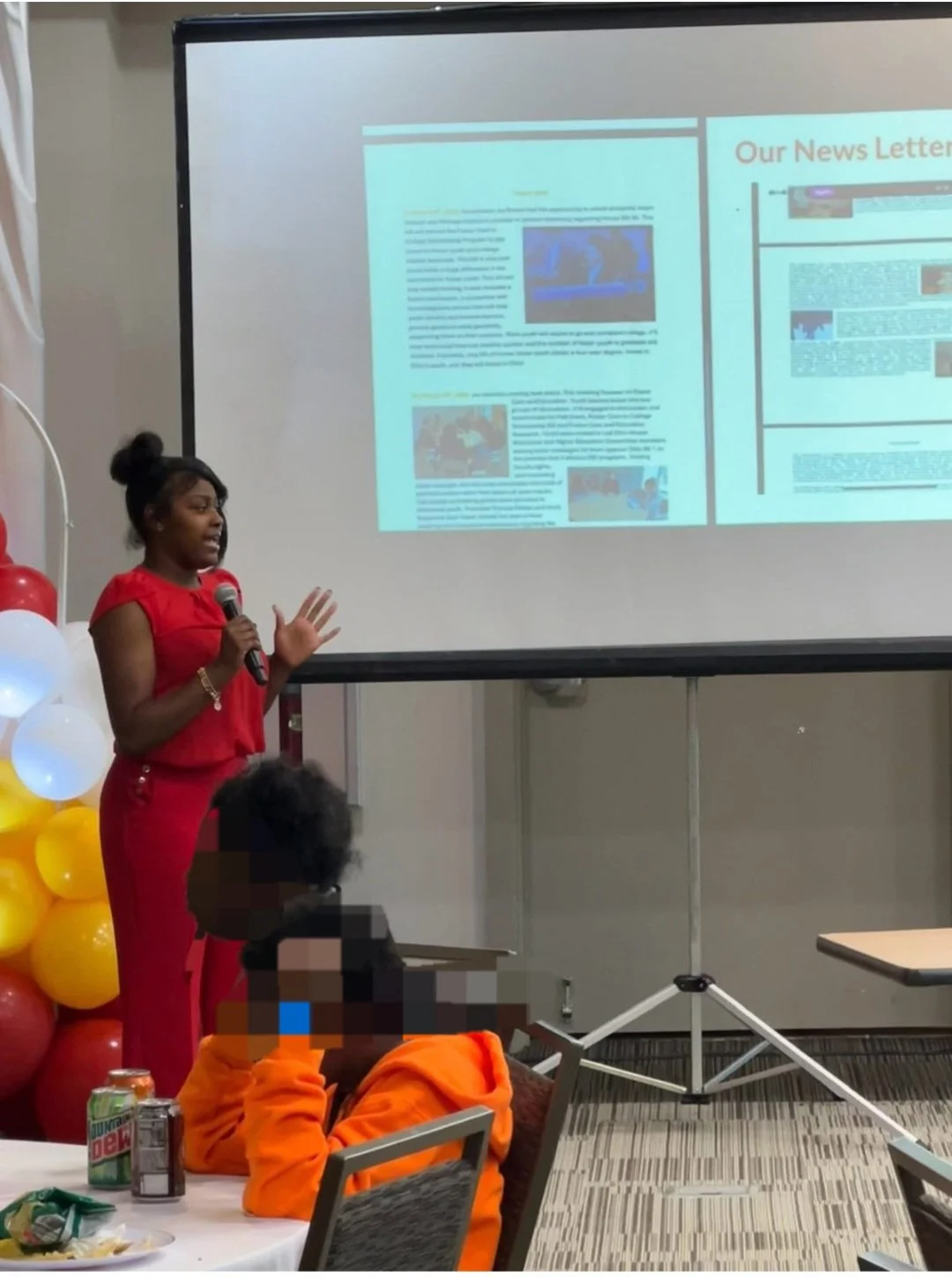
Seen, Heard, and Taken Seriously: A Reflection on Belonging, Leadership, and Real Voice
At 18 years old, youth leader Alana J. joined the [this advocacy community] uncertain of her future and unsure of her voice. Through authentic youth engagement, direct advocacy with state leaders, and a community rooted in care and accountability, she discovered her power as a leader and advocate. This reflection captures how meaningful youth governance, when done with intention, can change not just systems, but lives.
The Organizational Risk of Under-Designed Youth Engagement
Failed youth advisory boards are not neutral missteps—they create measurable organizational risk. When youth engagement is under-designed, organizations face reputational damage, staff burnout, governance confusion, ethical exposure, and program instability. These risks stem not from youth participation, but from the absence of clear roles, decision-making authority, and protection structures. Without intentional design, youth initiatives become liabilities that weaken trust, operations, and long-term sustainability
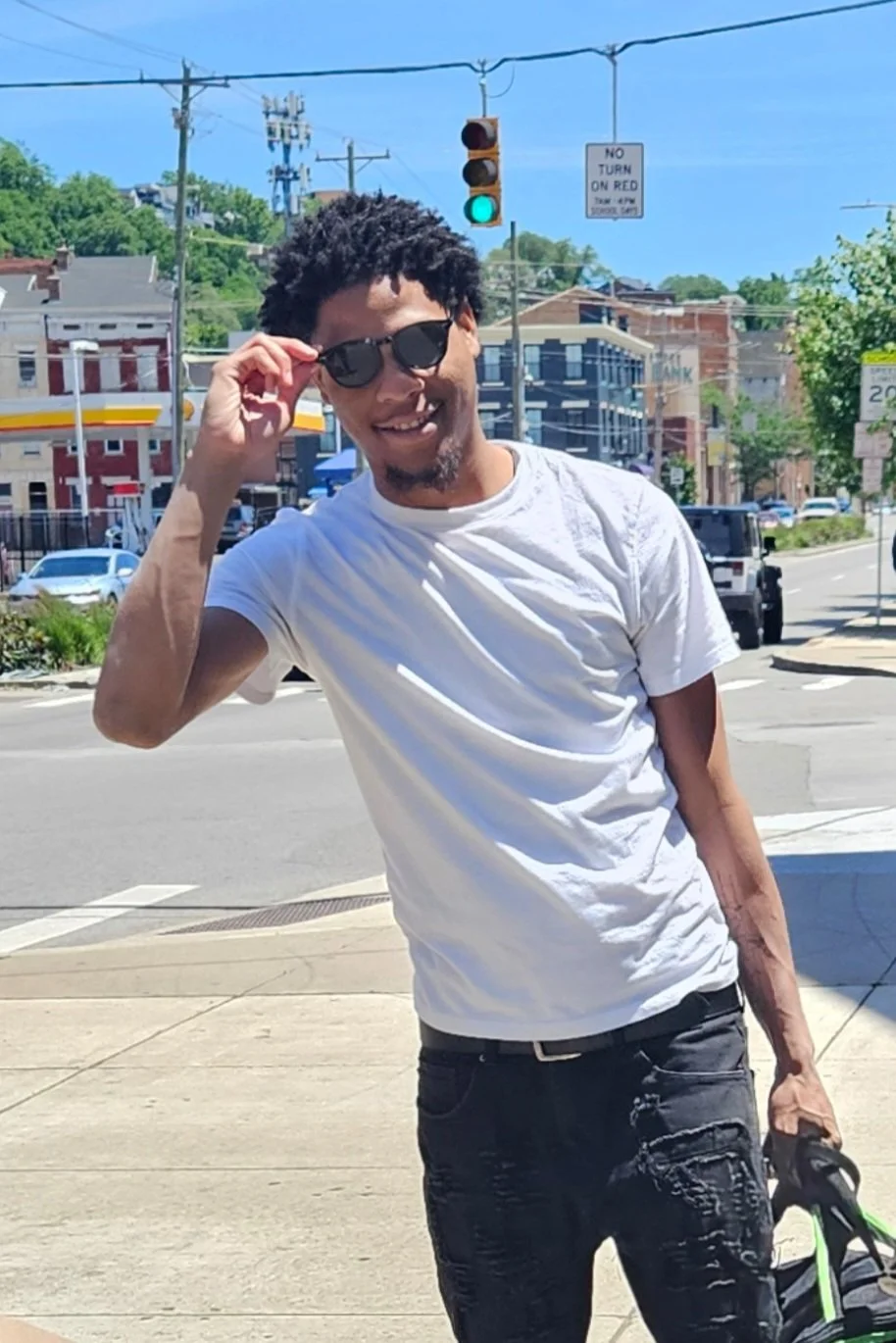
From Invisibility to Voice
Youth Leader, DaMark J. shares how his lived experience in foster care fuels his commitment to ensuring youth are seen, heard and valued. He expresses that youth perspectives aren’t just important; they’re essential to building systems that are supportive, stable and compassionate.
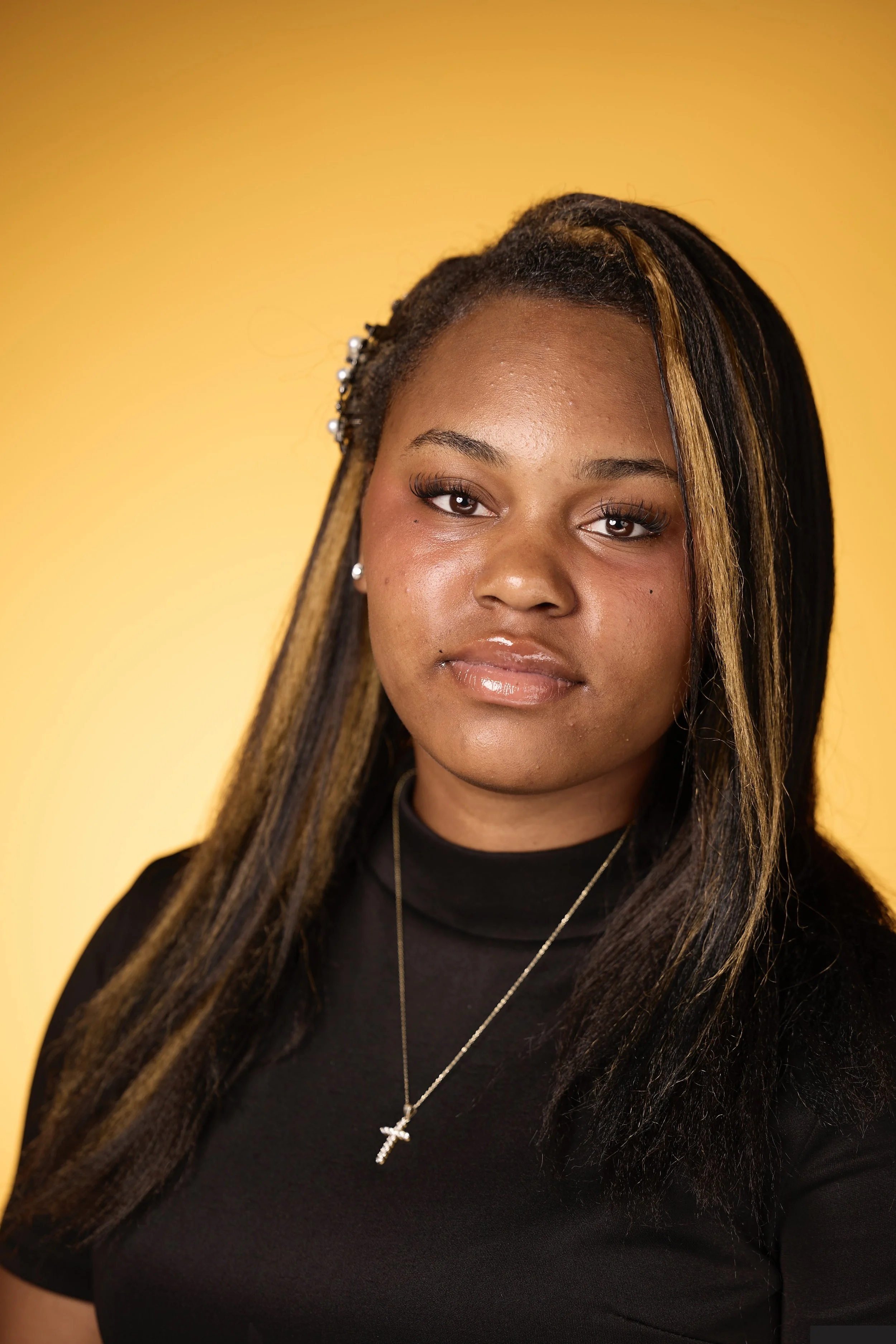
Belonging Is the Beginning
Youth Leader, Shy H. shares how being part of this work has given her a sense of belonging and purpose. She chooses to advocate for youth with lived experience, bringing overlooked issues into the light so systems cause less harm. Through this structure and community, she’s learned more about legislative and funding challenges affecting youth and discovered the power of staying loud until youth are heard.